Interior finish update
Painting, flooring, trim, and selected room improvements, with much of the layout and major systems retained. List any kitchen or bathroom work separately.
The cost of a full-home renovation depends on the condition of the house and what you want to change. Start with a room-by-room list, then add roof, structural, plumbing, electrical, or other work affecting the entire property. The written estimate should explain what is included and what still needs investigation.
Choose the description closest to your project, then list what is included and what stays.
Painting, flooring, trim, and selected room improvements, with much of the layout and major systems retained. List any kitchen or bathroom work separately.
Room renovations along with electrical, plumbing, heating and cooling, windows, or insulation work. Include any openings and repairs needed in adjoining rooms or on other floors.
A full gut renovation can involve removing much of the interior, repairing framing, and replacing major systems. Drawings and further investigation may be needed before all of the work can be priced.
These examples from our renovation portfolio show construction work and finished-room details to discuss in your estimate.
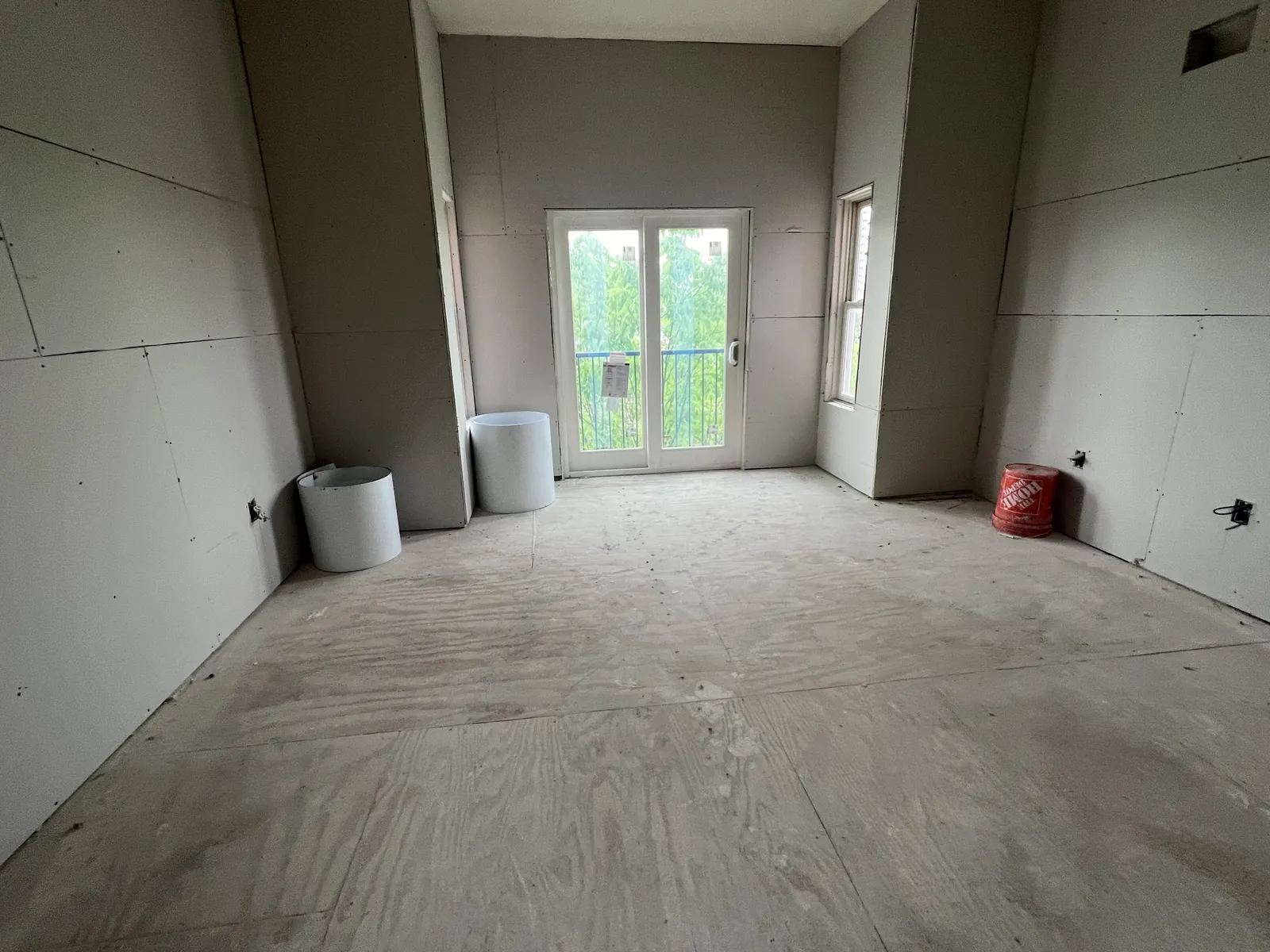
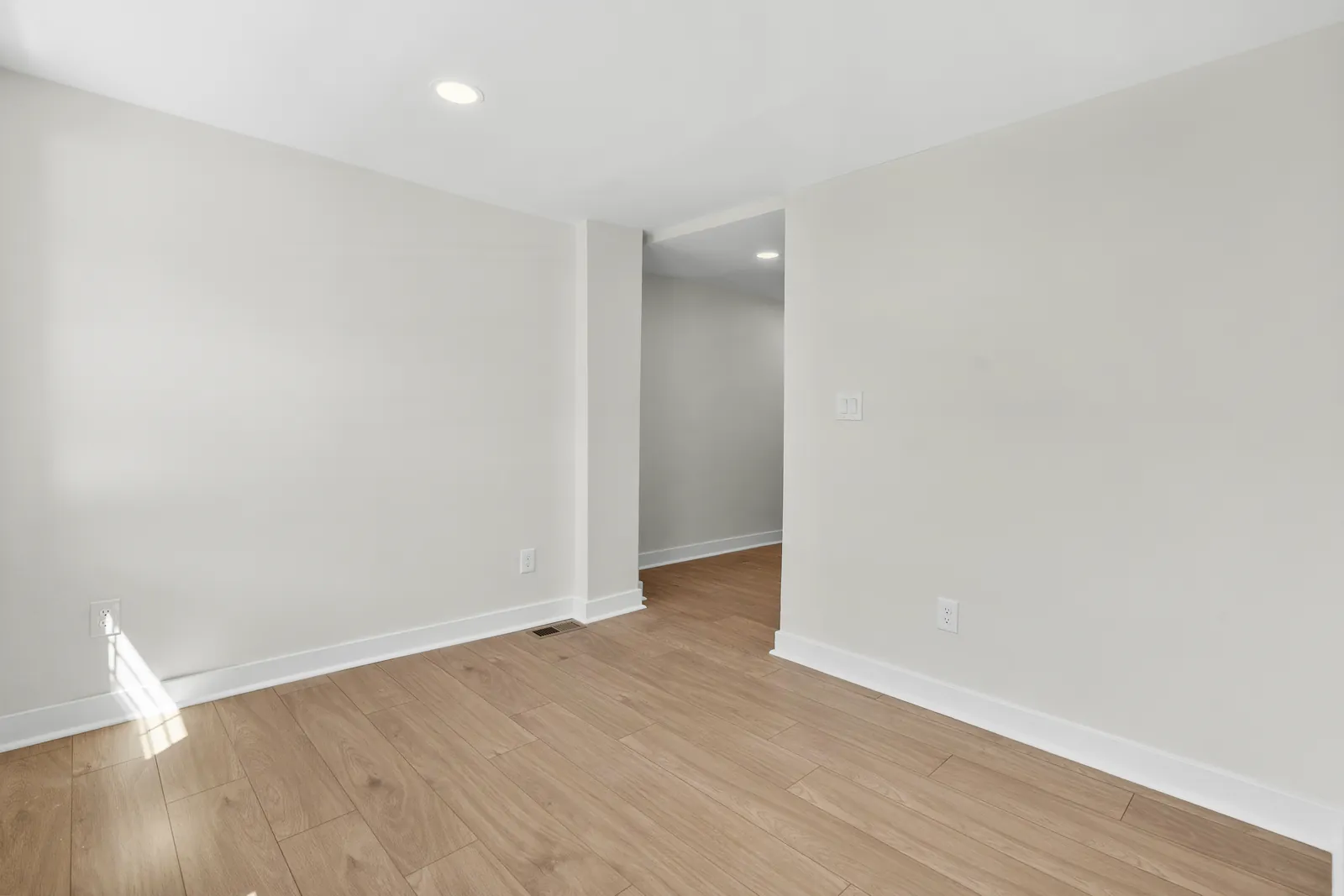
Ask which work is included, which materials have allowances, and what is excluded. Keep a separate reserve for repairs that may be discovered during construction. Discuss the amount with your contractor based on what is still unknown about the property.
Include demolition, disposal, repairs, systems, finishes, site protection, cleanup, and agreed permit responsibilities.
Confirm which design, engineering, survey, testing, and permit fees are included. List owner-purchased materials separately.
If you need to move out, include storage and temporary housing in your budget. For an investment property, track financing and holding costs separately from the contractor estimate.
An allowance is an amount set aside for an item you have not selected. Check the allowances for cabinets, flooring, fixtures, and other materials against the products you want. Ask how the contract price will change when the final selections are made.
A price per square foot is useful only when comparing similar work. It does not account for the condition of your roof, structure, or systems. Use a detailed estimate to understand the cost of the renovation.
Completing the work in stages may help you manage the budget or remain in part of the home. It can also add costs if crews need to return or reopen finished areas. Discuss which parts can be completed separately.
There is no single percentage that fits every property. Discuss the specific unknowns, what can be investigated before work, and how additional work will be approved.
Send the address, photos, and a list of the rooms and systems you want to renovate. Include any plans, inspection reports, and known repairs so we can prepare for the first conversation.